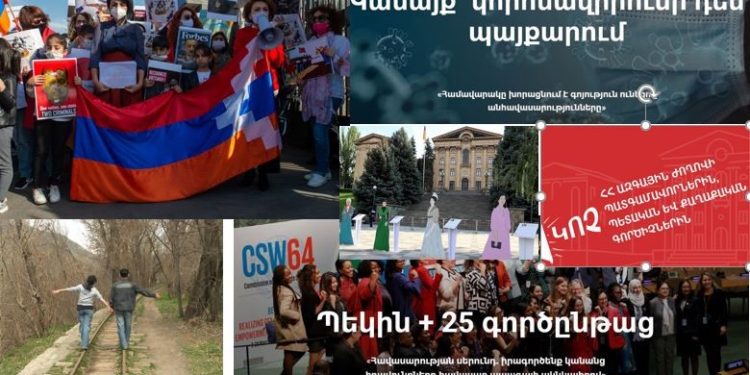
WomenNet.am presents the 10 main topics of its publications in 2020, which are related to the expansion of women’s rights and opportunities.
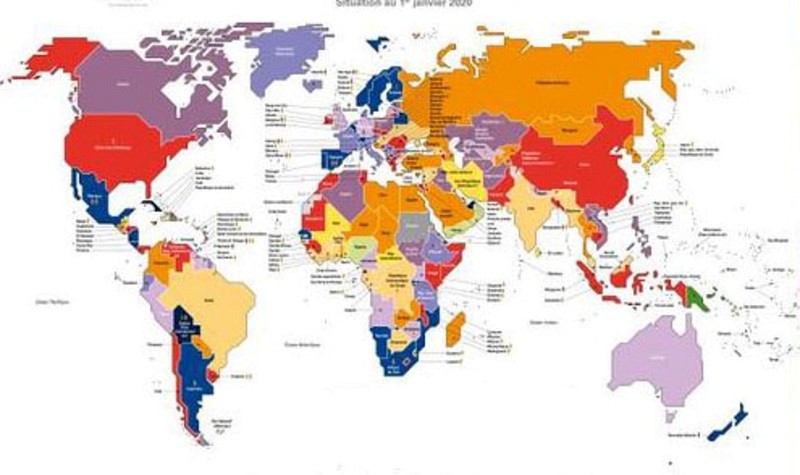
1. ” The world cannot afford such a low representation of women in power.”
The representation of women in political decision-making is increasing year by year, but at a slower pace, according to a joint report by the Inter-Parliamentary Union (IPU) and the United Nations-Women released in early 2020, which is traditionally presented on the Women in Politics map. The authors of the report noted that 25 years after the adoption of the Beijing Platform for Action, the world cannot afford such a low representation of women in power.
According to the report, as of January 1, 2020, only ten percent of the world’s countries are headed by women. Today, only twenty countries have women heads of state, with 6.6 percent of heads of state being women (10 out of 152) and 6.2 percent of heads of government (12 out of 193), including in two countries (Bolivia and Switzerland) the head of state and government is the same.
The authors of the report note, however, that some growth is evident, as only eight women leaders were in power in 2005 when the Inter-Parliamentary Union first published its Women in Politics map.
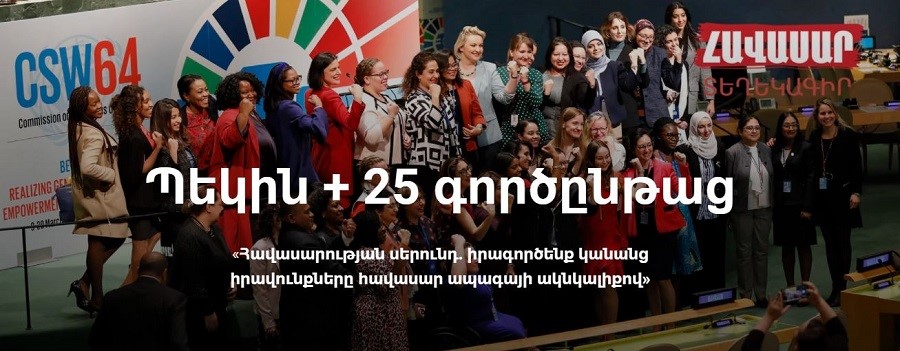
2. Beijing + 25: “Progress in the field of women’s rights has not gone too far”
Launched in 2020, the Beijing +25 process was a significant event in the field of women’s rights, marking the 25th anniversary of the Beijing Declaration Action Plan adopted at the 4th World Conference on Women in Beijing on September 4-15, 1995. However, the Organizing Committee of the Commission on the Status of Women (CSW), citing the dangers of spreading the COVID-19 coronavirus, decided to reduce the activities of the 64th session and instead hold a procedural meeting on March 9, during which a Political Declaration was adopted. The Declaration reaffirmed the political will of the Member States to implement the Beijing Platform for Action, stating that gender equality, empowerment of all women and girls, will play an important role in advancing all the Sustainable Development Goals, which is especially relevant to the UN 2020 – 2030).
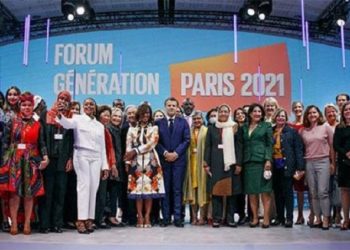
Armenia has a more than active role in the Beijing +25 process, as in 2020-2021. It chairs the UN Commission on the Status of Women, which oversees the implementation of the Beijing Platform for Action. Armenia was also elected as the leader of one of the six action coalitions of the Generation of Equality Forum, the Technology-Innovation Coalition, in the context of the 25th anniversary of the Beijing Declaration and Action Plan.
2020 marked the 20th anniversary of UN Security Council Resolution 1325 on the Protection of Women in Conflict, as well as the 5th anniversary of the Sustainable Development Goals, in which Armenia presented the second National Voluntary Assessment Report on SDG implementation.
3. Ensuring equal opportunities for women and men is one of Armenia’s national goals
The text of the new National Security Strategy published in July 2020 enshrined among the national goals of the Armenian people “the equality of women and men, the provision of equal opportunities for women and men to participate in public, state, and economic life.”
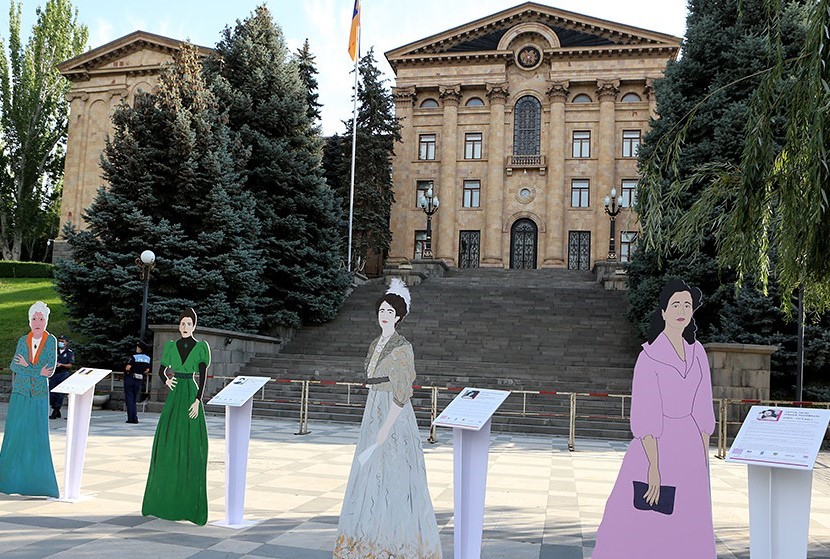
4. Prominent Armenian women of the 20th century. Exhibition in the National Assembly’s park
On September 21, on the occasion of Independence Day, in the National Assembly Park was held “Prominent Armenian women of the 20th century. Recognize Your History” aimed to inform the public about the prominent women in our history, their activities, as well as a public discussion on women’s empowerment and national values, overcoming stereotypes about women’s political participation in society.
The images of prominent Armenian women who were active in public and political life in the early 20th century were made by the Mughdusian Center for the Arts. The initiative was organized within the framework of the Women in Politics program, implemented by the UNDP Armenia Office in cooperation with the Ministry of Territorial Administration and Infrastructure with the support of the UK Good Governance Foundation.
5. Let’s exclude sexism and discrimination in the public sphere together
A number of non-governmental organizations (NGOs) called for unions against the manifestations of sexism in the public sphere in the political arena.
Expressing concern over the recent statements of moral and ethical violations from various political forums, which not only contain personal insults but also create fertile ground for the most extreme manifestations of sexism, civil society representatives called on the deputies of the RA National Assembly, state and to politicians
Use all necessary mechanisms and means to exclude the manifestation of sexism from the highest political platforms, to prosecute in case of unacceptable behavior in political relations, including the establishment of an ethics committee in the National Assembly to respond quickly and give a proper assessment.
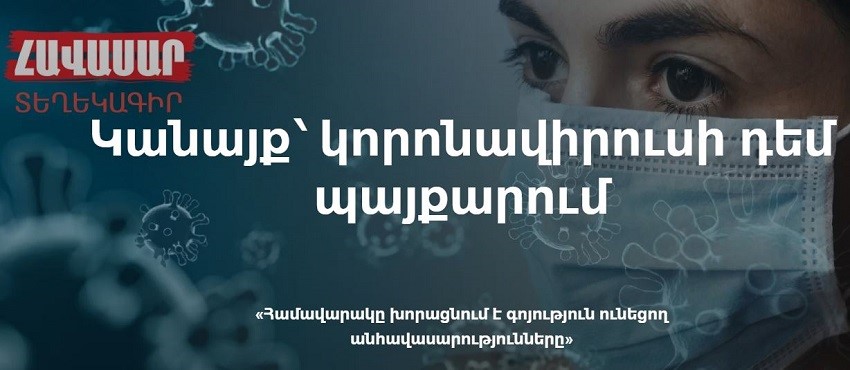
6. Women leaders against the pandemic. Secret of advantages
The international media, commenting on the good news coming from New Zealand about overcoming the coronavirus, agreed that the victory was the result of the successful rule of the country’s Prime Minister Jacinda Ardern. It is noteworthy that from the very beginning of the coronavirus pandemic, the media focused on the effectiveness of crisis management of women leaders in different countries.
WomenNet.am also presented how Armenian women councils, community leaders, and administrative leaders have shown themselves in the fight against the pandemic.
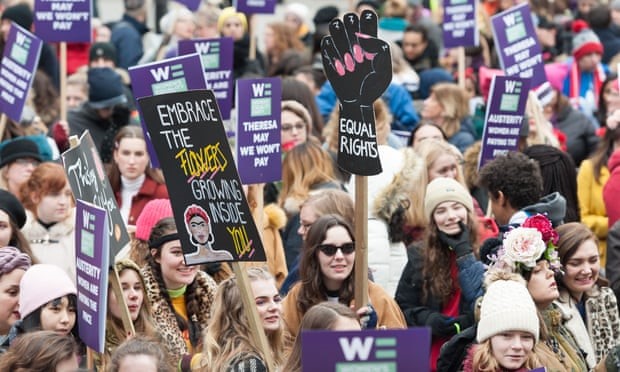
7. Covid-19 crisis could set women back decades, experts fear
According to The Guardian, the worldwide coronavirus pandemic could be devastating for gender equality and set women back for decades. This is also noted by other experts, noting that the achievements of gender equality over the past fifty years may be eroded as long as government intervention is delayed.
Women lose more jobs than men when it comes to childcare, housekeeping, and household chores. Politicians, labor market experts, and advocates for women’s rights also point to the decline in women’s suffrage in government and its potential dangers, which could turn the gains of fifty years upside down.
8. Equality trends in Armenia. What do the polls show?
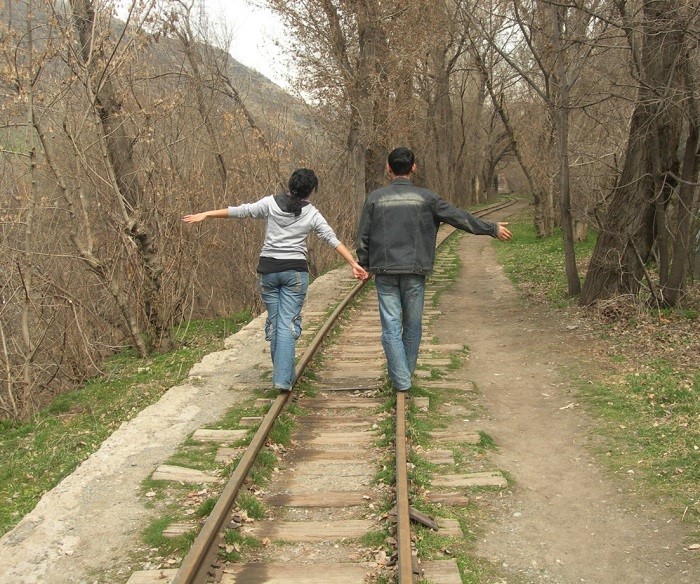
According to the Caucasus Barometer survey published in 2020, there have been some changes in public perceptions of gender equality. Thus, if according to the Caucasus Barometer survey conducted by Caucasus Research Resource Center-Armenia Foundation (CRRC-Armenia) in 2010, when asked about the sex of the child, 54% of respondents mentioned a boy, 10% a girl 35% said that gender does not matter, then in 2020 To the question about preference, 9% of the respondents answered a girl, and the number of those who preferred a boy child decreased to 34%, at the same time the number of respondents who said that the sex of the child did not matter to them increased to 55%.
By the way, in 2020 some legislative initiatives were adopted, which are based on the logic of gender equality. Among them is the provision of paid paternity leave in the Labor Code.
9. Local proportional elections. The quota will be increased no earlier than 2021
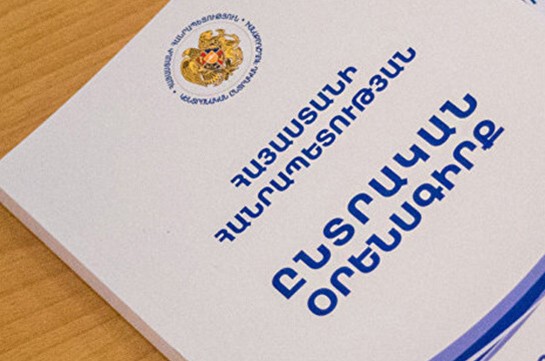
The package of amendments to the RA Electoral Code, adopted on June 18, 2020, a number of other laws, stipulated that in communities with 4,000 voters, elections of community leaders and council members will be held by the majoritarian system, and in communities with more than 4,000 voters, as well as multi-resident communities, the elections of the community council will be held by the proportional system. At the same time, the gender quota will be used in the proportional elections, which will allow for a sharp increase in the number of women in the Council of Elders.
10. Women on the frontline and in the rear of the war
From the very first day of Azerbaijan’s large-scale aggression along the line of contact with Artsakh on September 27, women volunteered to express their readiness to go to the front line together with their fathers, brothers, and husbands to defend the homeland from the enemy.
Behind the scenes, women came up with self-organizing, humanitarian initiatives. The first aid sent to Artsakh is sorted and delivered to the soldiers. They bake bread in the ovens and at night, they sew in the workshops to deliver warm clothes to the soldier.
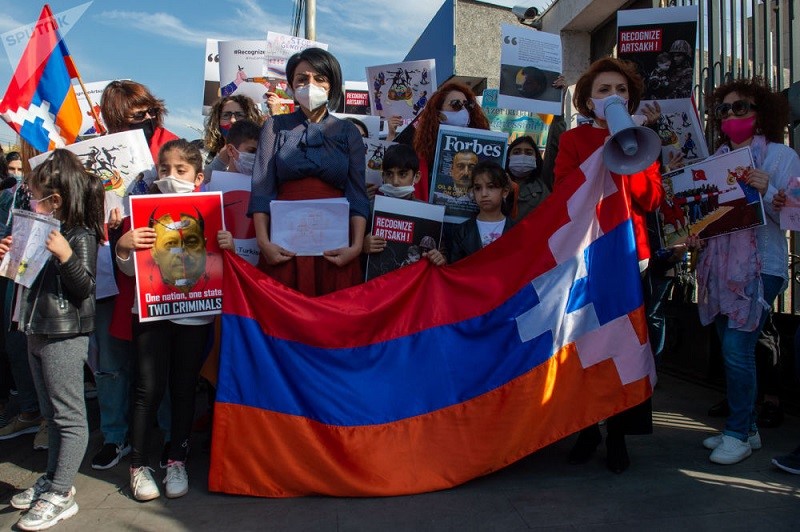
Throughout the war, Artsakh women displaced from Artsakh due to targeted shelling by civilians were protesting in front of diplomatic missions and international organizations accredited in Armenia, demanding not to remain silent and to give an adequate assessment of Azerbaijan’s aggression against Artsakh. Protests with messages of international recognition of Artsakh were also carried out by Armenian women and other human rights organizations.