Havasar-infohub.am
No Result
View All Result
  • About us
    • Contact us
  • NA-CSO Platform
    • About the Platform
    • Platform Meetings
      • 2018
      • 2019
      • 2020
      • 2021
      • 2022
  • Library
  • Be informed
    • Policy Paper
  • Multimedia
    • Publications
    • EQUAL newsletter
  • hy Հայերեն
  • en English
Havasar-infohub.am
No Result
View All Result

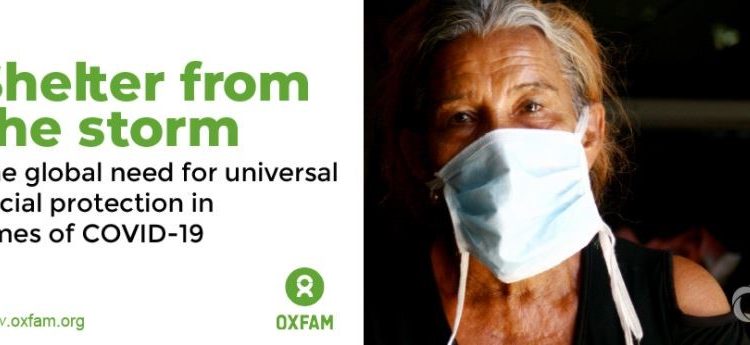
Shelter from the storm.” 2.7 billion people were deprived of social assistance to cope with the effects of coronavirus

Share on FacebookShare on Twitter
  • The world has spent an additional $ 11.7 trillion to mitigate the impact of the pandemic, of which:

– $ 9.8 trillion, or 83 percent, was spent in 36 rich countries

– 42 billion dollars or 0.4% in 59 low-income countries.

  • More than a third of the world’s population, 2.7 billion people, have not received any support from their governments to cope with the pandemic.

This is evidenced by the results of a study conducted by Oxfam, which is summarized in the report entitled ” Shelter from the Storm”.

The study looked at government programs designed to help inject money into different groups of people, particularly people with disabilities, the unemployed, children, and the elderly. A study of 126 low- and middle-income countries found that none of these programs met the needs of those people.

The decades-long social policy, which focused on low levels of proven funding support, has left many countries completely unprepared to fight the COVID-19 economic crisis.

“While countries like South Africa and Bolivia have shown that a comprehensive approach to social protection is affordable, it has a greater impact on reducing inequality and protecting those most in need,” the report said.

In total, the world has spent an additional $ 11.7 trillion to mitigate the impact of the pandemic. Of that, $ 9.8 trillion, or 83 percent, was spent in 36 rich countries, $ 42 billion, or 0.4 percent in 59 low-income countries.


The report found out, that:

41% of the surveyed countries had social protection programs, which assume lump sum payment. Only 13 percent of the programs lasted more than six months.

8 out of 10 countries failed to help even half of its population. Some countries, such as South Africa and Bolivia, were better prepared to provide universal social assistance during the pandemic. Oxfam believes that many countries should achieve this by pursuing better policies and providing more support.

For example, Kenya and Indonesia can reduce their country’s poverty by 25 and 31% by 2030, respectively, investing 17% of their GDP in universal social protection programs.

Many developing countries have been able to mobilize and provide non-financial assistance, such as food aid, but this has often been insufficient to fill the social protection gap.

Oxfam CEO Gabriela Booker says social protection is a lifeline, a human right as well as a powerful and affordable investment in reducing inequality, poverty, need, and vulnerability. However, over the years, low investment and dubious advice in developing countries have left superficial or broken social protection programs and the worst effects of the epidemic.

ShareTweet
Previous Post

For the first time, a woman has been elected PACE Secretary-General

Next Post

Nagorno-Karabakh: captives must be released – UN experts

Next Post
Nagorno-Karabakh: captives must be released – UN experts

Nagorno-Karabakh: captives must be released – UN experts

Publications

Parliamentarians discuss steps towards realizing gender equality in OSCE parliaments
Publications

Parliamentarians discuss steps towards realizing gender equality in OSCE parliaments

The OSCE Office for Democratic Institutions and Human Rights and the OSCE Parliamentary Assembly today held a joint web dialogue...

“It is difficult to defeat patriarchy, but we can do it”…
Publications

“It is difficult to defeat patriarchy, but we can do it”…

Messages from the 66th session of the Women’s Status Committee Following is the opening speech of the 66th Session of...

CSW66. Women and girls must lead battle against ‘widespread and interlinked crises’
Publications

CSW66. Women and girls must lead battle against ‘widespread and interlinked crises’

The sixty-sixth session of the Commission on the Status of Women (CSW66) was held from 14 to 25 March 2022....

Women must no longer be ‘squeezed into a small corner’, landmark Forum declares
Publications

Women must no longer be ‘squeezed into a small corner’, landmark Forum declares

In a bid to put gender equality at the heart of COVID recovery, UN Women kicked off a three-day “landmark...

Կայքը պատրաստվել է «Նոր Հայաստան՝ ժամանակակից խորհրդարան» ծրագրի շրջանակներում։ Ծրագիրն իրականացվում է ՄԱԿ-ի Զարգացման ծրագրի հայաստանյան գրասենյակի, ՀՀ Ազգային ժողովի, ՕքսԵՋեն հիմնադրամի, Ժողովրդավարության Վեսթմինսթր հիմնադրամի, Մարդկային զարգացման միջազգային կենտրոնի հետ համատեղ, Մեծ Բրիտանիայի «Լավ կառավարման հիմնադրամի» և Շվեդիայի կառավարության օժանդակությամբ: Կայքում արտահայտված տեսակետները պատկանում են հեղինակ(ներ)ին և պարտադիր չէ, որ արտահայտեն ՄԱԶԾ-ի կամ ծրագրի այլ գործընկերների տեսակետները:

Development of this website was supported by the “Modern Parliament for Modern Armenia” Project. The UNDP “Modern Parliament for a Modern Armenia” project is co-implemented with the OxYGen Foundation, the International Center for Human Development, and the Westminster Foundation for Democracy, in cooperation with the National Assembly of the Republic of Armenia. The project is funded by the United Kingdom’s Good Governance Fund and the Government of Sweden. The opinions expressed in this webpage are the author’s observations and do not reflect the view of the UNDP or its other partners on this Project.

No Result
View All Result
  • About us
    • Contact us
  • NA-CSO Platform
    • About the Platform
    • Platform Meetings
      • 2018
      • 2019
      • 2020
      • 2021
      • 2022
  • Library
  • Be informed
    • Policy Paper
  • Multimedia
    • Publications
    • EQUAL newsletter

Copyright © 2021 Havasar-infohub.am